
Master Solutions Blog
Master Solutions has been serving the Naperville area since 1996, providing IT Support such as technical helpdesk support, computer support, and consulting to small and medium-sized businesses.


There is a quiet tug-of-war happening in almost every small business right now, and it usually centers around the smartphone sitting on your employee's desk. On the one hand, business owners are quietly terrified of data security. They know that company emails, client databases, and internal chats are floating around on devices they don't own.
On the other hand, many employees are deeply uncomfortable with the idea of installing work apps if it means their boss can peek into their personal lives. They worry that an IT administrator will be able to read their private text messages, track their location over the weekend, or accidentally wipe their family vacation photos.
Honestly? I side with the employees on this one.
0 Comments
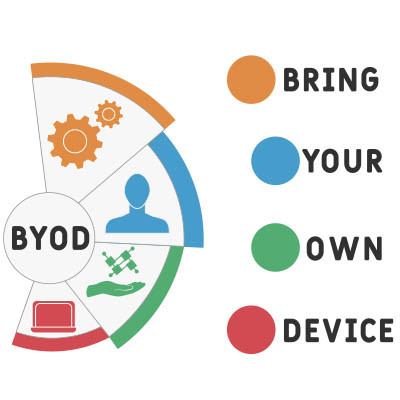
Imagine for a moment a world where you don’t have to distribute devices to your employees and can instead rely on your team to provide them. With Bring Your Own Device, or BYOD, businesses can leverage employee-owned devices to their advantage for work-related purposes. There is a catch, though: you have to make sure they’re used safely.

With mobile devices playing a crucial role in modern business it’s extremely important to have a clear plan for managing them. Unfortunately, this isn’t so cut and dry. Today, we’ll explore the differences between two of the most popular mobile management strategies: Bring Your Own Device (BYOD) and Corporate-Owned, Personally Enabled (COPE).

The concept of Bring Your Own Device has grown in popularity with employers in recent years. There’s no denying that a BYOD policy holds major benefits, but like any other policy, it has its drawbacks. What follows is a brief overview of some pros and cons to inform any business owner who’s considering BYOD in the workplace.
 With so many great mobile devices at your team’s disposal, it’d be a shame to not allow them to use their devices in the workplace. This trend, known as Bring Your Own Device (BYOD), has been taking the workplace by storm, and offers a great way to enhance productivity both in and out of the office. BYOD, while a great asset, should only be approached with caution, as the slightest oversight could expose sensitive information to the world.
Mobile? Grab this Article